AWS Weekly Roundup: Community Engagement in Seoul and New Serverless AI Integration Tools

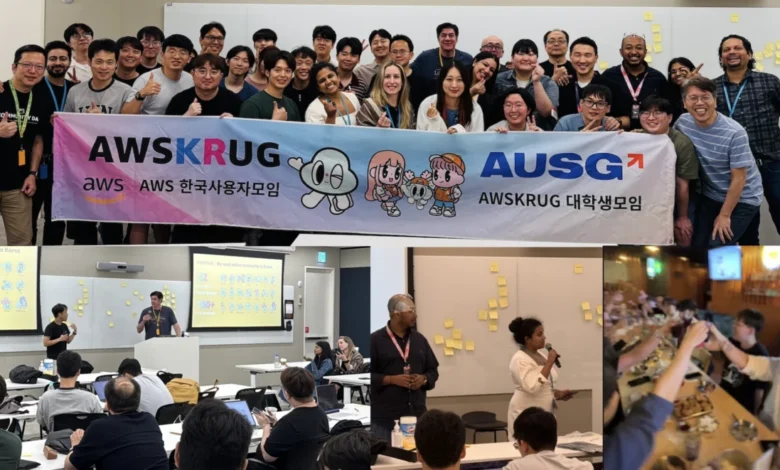
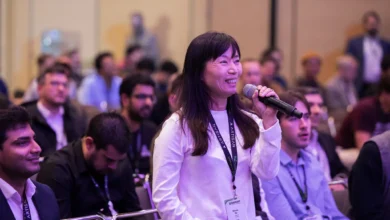
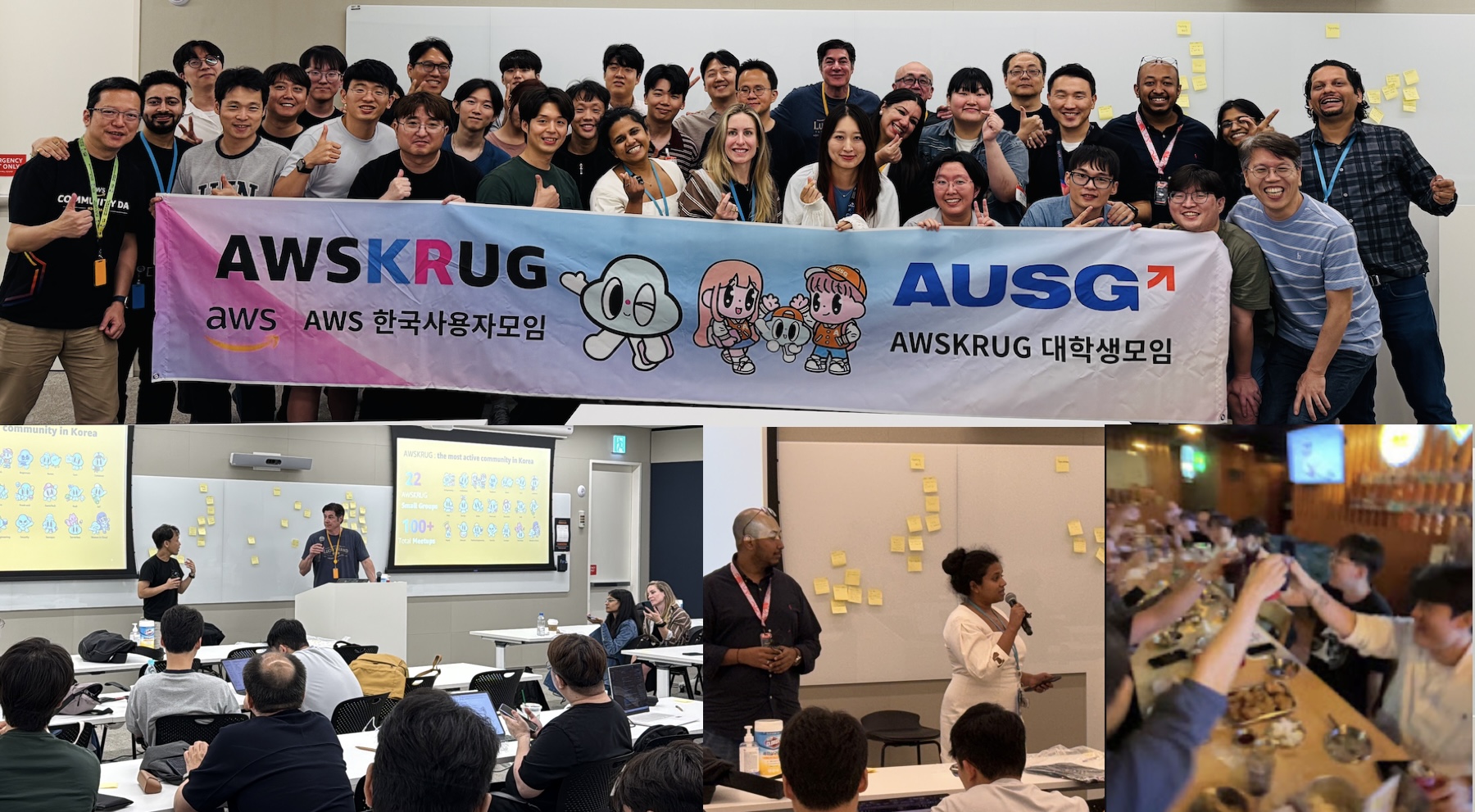
The AWS Developer Experience team recently concluded a strategic visit to Seoul, South Korea, to engage with the leadership of the AWS Korea User Group (AWSKRUG). As one of the most vibrant and active cloud computing communities globally, AWSKRUG represents a critical feedback loop for Amazon Web Services, managing 20 distinct meetup groups that coordinate over 100 localized events annually. This summit, characterized by collaborative discussions and the traditional cultural exchange of Chimaek—a popular Korean pairing of fried chicken and beer—served as a primary touchpoint for AWS to refine its regional support strategies and address the evolving needs of its developer base.
The visit comes at a time when the Asia-Pacific region is experiencing a surge in cloud adoption, particularly among startups and enterprise-level digital transformation initiatives. During the session, AWSKRUG leaders provided transparent assessments regarding their operational performance during the first half of 2026, highlighting both successful community scaling initiatives and areas requiring technical support from AWS. This collaborative effort emphasizes the importance of grassroots developer communities in shaping the trajectory of cloud-native toolsets.
Streamlining Serverless Development via AI Integration
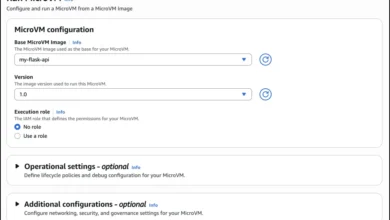
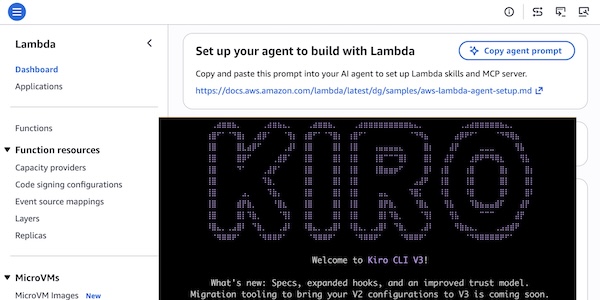
Central to the latest technical updates is the introduction of a "one-click" Lambda setup prompt designed for coding agents. This advancement addresses a recurring pain point for developers: the complex configuration required to align AI coding assistants with AWS best practices. By automating the setup of the Serverless Model Context Protocol (MCP) server, AWS is significantly lowering the barrier to entry for developers looking to integrate serverless workflows into their automated coding environments.
The new functionality supports a wide range of industry-standard AI coding tools, including Claude Code, Kiro, Cursor, GitHub Copilot, Codex, and Devin Desktop. By leveraging this prompt, developers can ensure that their AI agents are inherently configured with serverless best practices, effectively "baking in" security and architectural optimization from the initial lines of code.
Deployment and Technical Implementation
To initiate this integration, developers can navigate to the Lambda console and utilize the "Copy agent prompt" feature. Alternatively, users may pull the configuration directly by executing the following URI in their preferred development environment: fetch https://docs.aws.amazon.com/lambda/latest/dg/samples/aws-lambda-agent-setup.md.
Furthermore, the integration is augmented by the Agent Toolkit for AWS, which provides coding agents with up-to-date knowledge of AWS services and secure resource access patterns. By utilizing the installation command fetch https://raw.githubusercontent.com/aws/agent-toolkit-for-aws/refs/heads/main/setup-instructions/setup.md, developers can initialize the AWS MCP Server. This architecture ensures that AI agents operate within a well-defined, secure sandbox, mitigating the risks associated with broad, unmanaged AI access to cloud infrastructure.
Billing Anomalies and Operational Transparency
The technology sector remains hypersensitive to infrastructure reliability, a fact underscored by a recent, brief disruption in AWS billing services. Over the previous weekend, users reported that the Cost Explorer interface was displaying inaccurate estimated billing data. The incident triggered a series of erroneous budget and cost anomaly detection alerts, causing significant concern among enterprise customers who rely on these dashboards for real-time financial oversight.
According to the official AWS Health Dashboard, the root cause of the reporting discrepancy was identified and remediated within the operational window. While the issue did not impact the actual provisioning of cloud resources or the underlying execution of services, it highlighted the necessity of data integrity in financial reporting tools.
In response, AWS has initiated a formal retrospective of the incident. This process is expected to result in enhanced safeguards for the billing pipeline and improved communication protocols to ensure that users are alerted to data inaccuracies more rapidly in the future. "We apologize for the concern this incident caused our customers and are conducting a thorough retrospective to prevent events like this from reoccurring," stated an AWS representative, confirming that all services have returned to nominal operational status.

The Role of Developer Communities in Cloud Evolution
The success of AWSKRUG in Korea provides a blueprint for how global tech giants maintain product-market fit in diverse geographical markets. The community’s structure—organized by topic and region—allows for specialized knowledge sharing that a centralized corporate entity could not replicate. By hosting over 100 events per year, AWSKRUG serves as an informal incubator for local talent and a testing ground for new AWS feature releases.
These communities are not merely social hubs; they are vital conduits for technical feedback. During the Seoul summit, the feedback provided by community leaders included requests for more localized documentation and enhanced support for specific regional compliance frameworks. Such direct input is often the catalyst for the "What’s New" updates that AWS announces weekly.
Strategic Implications for the Developer Ecosystem
The transition toward AI-assisted development, as evidenced by the new Lambda agent tools, signals a shift in how cloud architectures are defined. Instead of manually configuring every component, developers are increasingly moving toward an "intent-based" model where agents, provided with the correct context and toolkits, handle the boilerplate and architectural standards.
This move toward AI-driven infrastructure as code (IaC) has several long-term implications:
- Reduction in "Configuration Drift": By using standardized MCP prompts, developers are less likely to diverge from established security and performance best practices.
- Increased Developer Velocity: Automating the setup of complex environments like Lambda allows teams to focus on business logic rather than infrastructure wiring.
- Standardization of AI Best Practices: As more developers adopt tools like the Agent Toolkit for AWS, the collective industry standard for how AI interacts with cloud providers will likely become more secure and reliable.
Looking Ahead
As AWS continues to scale its developer relations, the focus will remain on balancing rapid innovation with system stability. The integration of AI agents is a significant milestone in this journey, marking a move toward a more seamless, intelligent cloud development experience.
For developers seeking to stay informed, AWS provides several resources. The "What’s New with AWS" portal remains the primary source for technical documentation and service updates, while the AWS Builder Center acts as a repository for shared solutions and peer-to-peer networking. Furthermore, the upcoming series of AWS Summits and localized developer-focused events are expected to provide deeper technical sessions on the implementation of these new AI-driven tools.
The recent events in Seoul and the resolution of the billing reporting issue underscore a core tenet of modern cloud management: the necessity of maintaining a robust, communicative relationship between the provider and the user community. As the industry moves further into the second half of 2026, the reliance on automated developer tools will undoubtedly increase, making the recent advancements in Lambda setup prompts a bellwether for the future of cloud engineering.
For those interested in joining the broader community of builders, the AWS Builder Center offers a comprehensive platform to connect with peers, access specialized content, and contribute to the collective intelligence of the cloud ecosystem. As the landscape continues to evolve, the partnership between AWS and its global developer base remains the most significant driver of innovation in the cloud space.